Mostrando postagens com marcador photo. Mostrar todas as postagens

quarta-feira, 12 de maio de 2010

moment in time

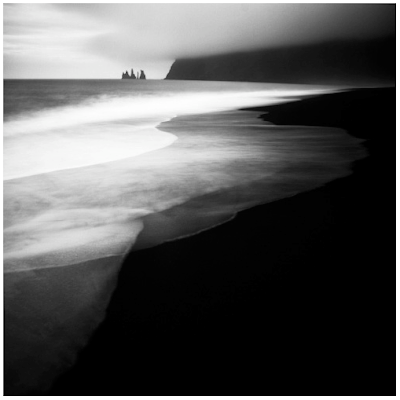
Minha foto saiu no moment in time do New York Times no dia 2 de maio. Adorei.
O The New York Times teve, desde 8 de Abril, um espaço aberto à colaboração de todo o mundo, através da sua secção Lens:
“Wherever you are, we hope you’ll have a camera — or a camera phone — in hand,” we said grandly on April 8, as we extended our invitation to the “Moment in Time” project. “And we hope you’ll be taking a picture to send to Lens that will capture this singular instant in whatever way you think would add to a marvelous global mosaic; a Web-built image of one moment in time across the world.”

Michael Schlegel

adoro as formas pretas e as brancas,
e claro...o tempo.

quarta-feira, 17 de fevereiro de 2010

Alfred Stieglitz

Alfred Stieglitz Equivalent
1923; photograph; gelatin silver print, 4 5/8 in. x 3 5/8 in. (11.75 cm x 9.21 cm); Collection SFMOMA, Alfred Stieglitz Collection, Gift of Georgia O'Keeffe;

“Straight Photography”. Para quem não sabe, o conceito de straight photography (fotografia direta, pura) é utilizado para caracterizar uma vertente da fotografia moderna surgida nos Estados Unidos na década de 1910. Os expoentes mais conhecidos são Alfred Stieglitz (1864 – 1946), Paul Strand (1890 – 1976), Edward Weston (1886 – 1958) e Anselm Adams (1902 – 1984). Refere-se a imagens feitas pelo contato direto da câmera com a realidade, sem intervenções no laboratório ou na cópia. Apesar de apresentar diversos pontos em comum com as vanguardas européias, como a nova objetividade fotográfica e a nova visão, o movimento norte-americano distingue-se por enfatizar a noção de fotografia como expressão subjetiva. Esses artistas começam a se distanciar das técnicas e temas pictorialistas que haviam caracterizado seu trabalho até então.

Por volta de 1907, Stieglitz, líder do Photo-Secession, direciona seu trabalho para os pressupostos da fotografia direta. Começa a trabalhar com negativos de grande formato copiados por contato em papel brilhante, na época considerado inapropriado para a realização de fotos artísticas, pois não permitia retoques posteriores. Ele se volta para retratos, cenas urbanas – quase sempre feitas da janela de seu apartamento em Nova York – e, sobretudo, para a natureza. Um de seus trabalhos mais conhecidos é Equivalentes, uma série de fotografias de nuvens que revelam o apreço de Stieglitz por temas prosaicos, além de exemplificar procedimentos comuns em sua obra, como o trabalho de imagens fragmentadas semelhantes a abstrações.http://luciaadverse.wordpress.com/category/fotografia/historia-da-fotografia/

terça-feira, 5 de janeiro de 2010

Tim Simmons

No Verão passado, pela primeira vez Tim Simmons, artista fotográfo, teve a oportunidade de projetar seu trabalho em um outdoor na noite, como parte da exposição Arte Aberto no Latitude Festival, em Suffolk. Após o sucesso deste evento de instalação, ele chega com seu projeto INTERVENTION PROJECT em uma jornada através do Reino Unido em 2010, começando com uma grande tela de instalação ao ar livre no London Art Fair, em janeiro. A intervenção consiste em fotos de grande escala, paisagens etéreas. O método fotográfico que utiliza gera imagens que têm uma qualidade surreal. Fantasia boa pra começar o ano!
http://www.interventionprojects.com/

quarta-feira, 16 de setembro de 2009

John Baldessari

Stonehenge (With Two Persons), Mixografia
artobserved.com/ artists/john-baldessari
(confesso que fiquei com preguiça de traduzir e resumir...sorry...)
Much of Baldessari’s work involves pointing- that is, telling the viewer not only what to look at but how to make selections and comparisons, often simply for the sake of doing so. Baldessari takes photographs and then obliterates essential information with playfully color fills, emphasizing the “filling in the blanks” activity that each individual observer participates in when formulating a judgment of an image.

Baldessari’s Commissioned Paintings series took the idea of pointing literally, after he read a criticism of conceptual art that claimed it was nothing more than pointing. Beginning with photos of a hand pointing at various objects, Baldessari then hired amateur yet technically adept artists to paint the pictures. He then added a caption “A painting by [painter’s name]” to each finished painting. In this instance, he has been likened to a choreographer, directing the action while having no direct hand in it, and these paintings are typically read as questioning the idea of artistic authorship. The amateur artists have been analogized to sign painters in this series, chosen for their pedestrian methods that were indifferent to what was being painted.

John Baldessari

His signature works are vintage photographs, blown-up and cropped tightly with large colored blobs filling in or covering up important shapes within the photographs. Or perfect circles blotting out the faces in a snapshot that looks like it could be the photo of headline article.Baldessari has been collected by many, everyone from the Rubell family to Kate Spade (see article in December 2006 World of Interiors) feature him as a mainstay in their contemporary collections. He has produced a prolific amount of pieces and has exhibited his work in over 120 solo shows worldwide.